
Intro to EU AI Act
WHISTLEBLOWING 2 — The EU AI Act Doesn’t Need a Regulator to Find You
Image AI-generated. All text human-written. Waiting for a regulator to come looking is not a compliance strategy. It is also not how any of this
Image AI-generated. All text human-written. Waiting for a regulator to come looking is not a compliance strategy. It is also not how any of this

Image AI-generated. All text human-written. Every other obligation in the EU AI Act is invisible from the outside. Yours answers the phone.Consider what it normally
Image AI-generated. All text human-written. There’s a compliance flyer doing the rounds with a red-alert headline: “On 2 August 2026, the EU AI Act becomes

Image AI-generated. All text human-written. A post I came across recently (part of an ongoing EU AI Governance series) makes a point that a lot
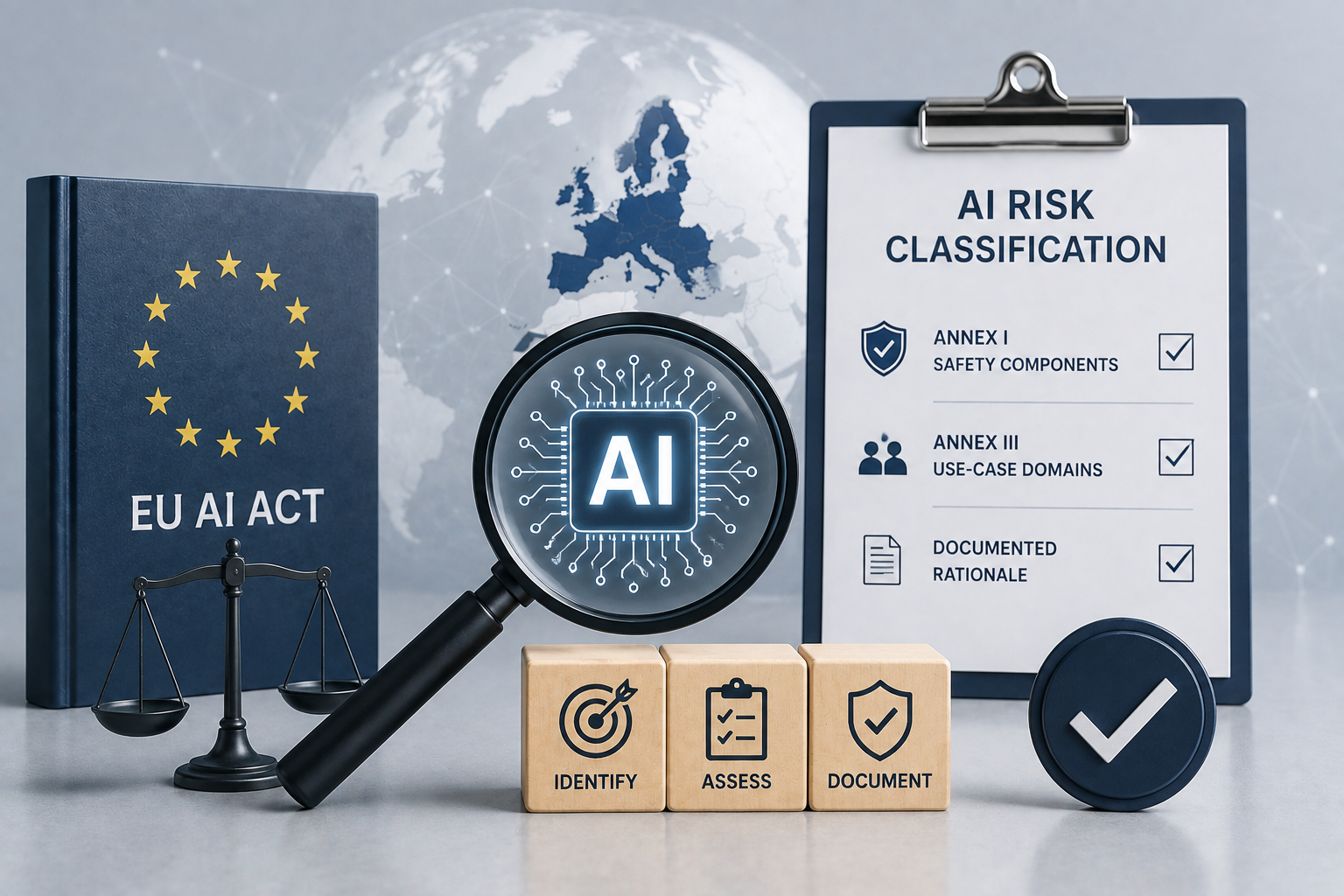
Image AI-generated. All text is human-written. Before any AI governance framework can be built, one question has to be answered first: is your AI system

Image AI-generated. All text human-written. Before any organisation can build a credible AI governance program, one question has to be answered first: is your AI

Image AI-generated. All text human-written. For years, AI governance sat comfortably inside IT and data science teams, treated as a technical checklist rather than a
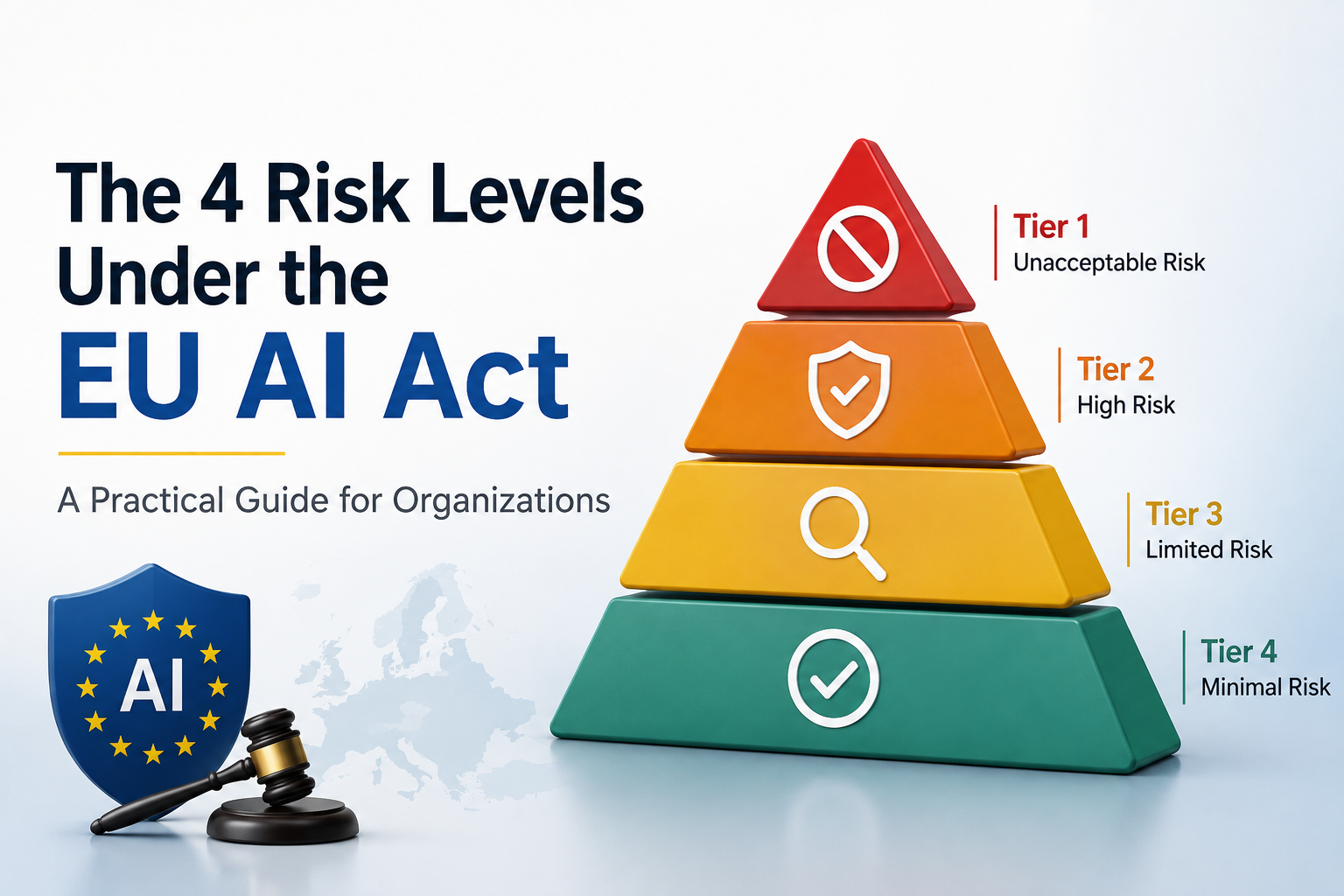
Image AI-generated. All text human-written. The EU Artificial Intelligence Act (Regulation (EU) 2024/1689) regulates AI systems using a risk-based approach: the greater the potential harm
Image AI-generated. All text human-written. Many companies rushed AI into production long before they built any governance around it. That approach was tolerable in 2023,
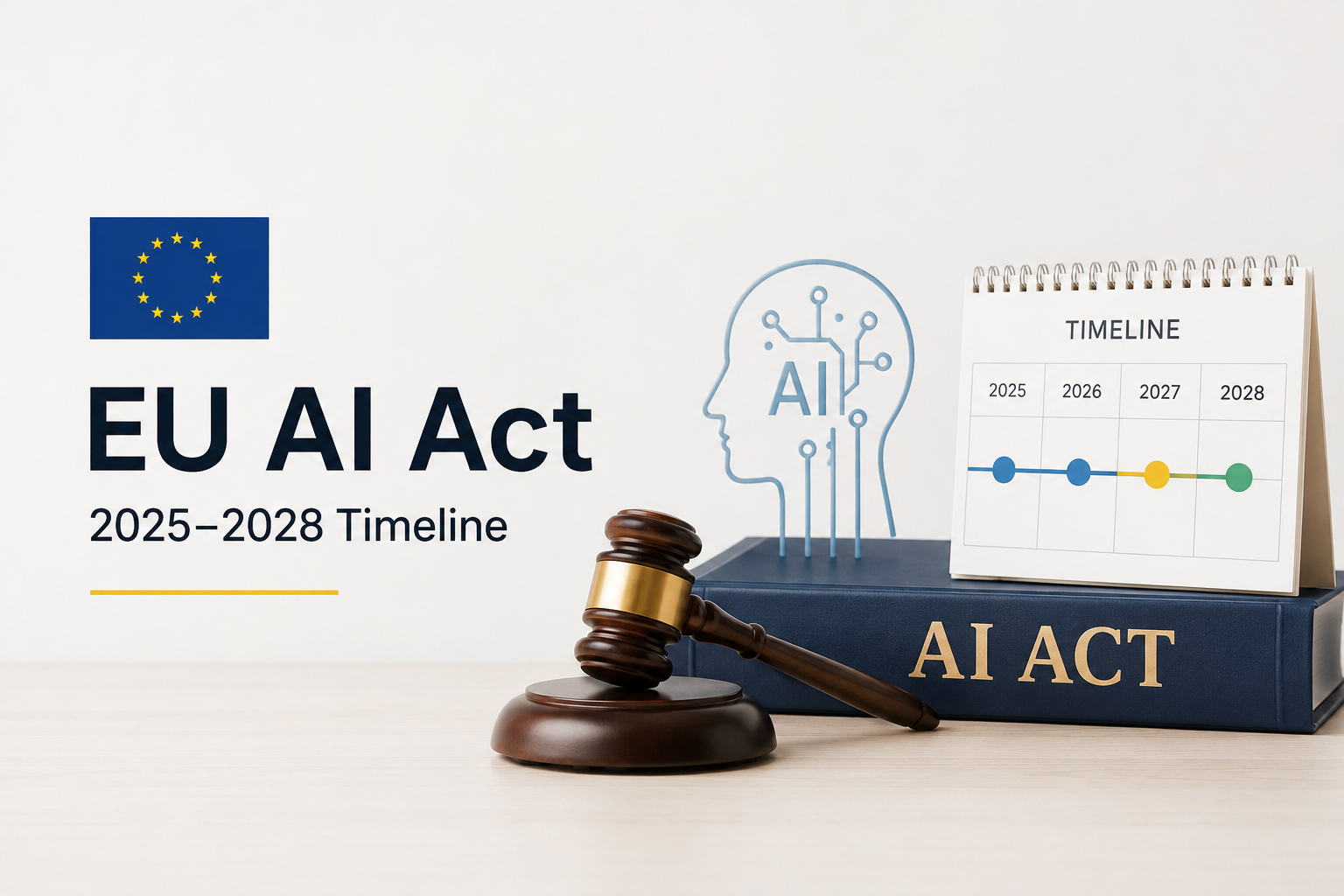
Image AI-generated. All text human-written. For most of 2025, the EU AI Act existed for many organisations as a compliance project with a distant horizon